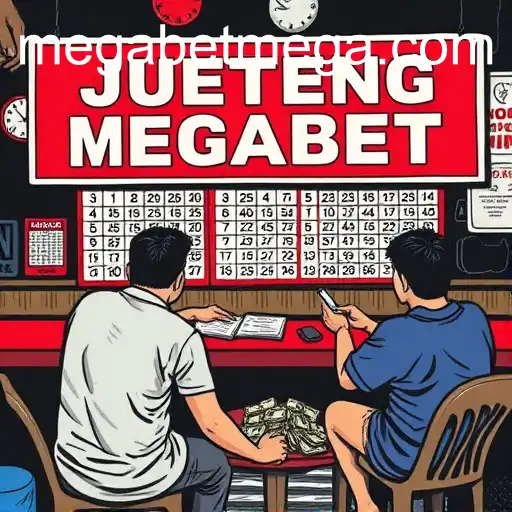
Jueteng: The Allure of the Megabet
Jueteng is a popular numbers game, a form of illegal gambling that thrives in several regions of the Philippines despite constant government efforts to eradicate it. With its roots deeply embedded in the cultural fabric of many communities, jueteng remains a persistent challenge. A fascinating element within this game is the concept of the "megabet," a term that captures the imagination and aspirations of many players. But what exactly is jueteng, and why does the megabet intrigue so many?
The Essence of Jueteng
Jueteng is a simple numbers game akin to a lottery, where bettors choose two numbers between 1 and 37. These numbers are then drawn daily, with winners receiving substantial payouts. The game's simplicity, low entry cost, and attractive payouts contribute to its widespread popularity. Organized principally at the grassroots level, jueteng involves a network of bettors, "cobradores" or collectors, and "cabos" or coordinators, forming a comprehensive and efficient system. Despite its illegality, it remains omnipresent largely due to local acceptance and its role as a financial lifeline for participants and organizers alike.
Unpacking the Megabet
The idea of a megabet is one of the more alluring aspects of jueteng. Essentially, it is a high-stakes bet where participants choose specific number combinations believed to bring greater fortune due to their rarity or personal significance. Often, these bets are placed with large sums of money, promising even larger returns. The megabet taps into the dreams and hopes of the bettor, offering a gamble that is as psychologically rewarding as it is financially promising.
As is typical with gambling, stories abound of individuals who have won big after placing a megabet, further adding to the mystique and appeal. Such tales enhance the dream of overnight riches and reinforce the idea that, perhaps with the right bet, life-changing fortune is just around the corner.
Impact on Society
While jueteng can serve as a source of financial hope, its impact on society is double-edged. On one hand, it provides a source of income for a substantial number of people, from collectors to middlemen. However, its prevalence exacerbates poverty when individuals expend funds in search of elusive wins. Moreover, the illegal nature of the game fosters a corrupt environment, implicating local officials and law enforcers, further perpetuating cycles of poverty and corruption.
The megabet, in particular, is a potent symbol of the risks and rewards of jueteng. While it can multiply wealth seemingly by magic, it also holds the power to devastate those who succumb to its allure without caution. The game captivates those in search of fiscal salvation, yet it remains a perennial source of economic and moral controversy.
The Challenge of Regulation
Efforts to regulate or eliminate jueteng often clash with its resilient popularity. Attempts to replace jueteng with legal alternatives, such as the Small Town Lottery (STL), have met with mixed success. The game’s underground nature makes regulation difficult and elimination even more so. For many, jueteng acts as a defiant resourceful response to the systematic failures in providing stable incomes and economic opportunities, and the megabet encapsulates the yearning for prosperity amid adversity.
Jueteng’s persistence underscores a complex socioeconomic phenomenon. For policymakers, addressing it requires more than legislation—it needs an understanding of the local cultural, economic, and social norms that sustain it.
The Cultural Resonance of Jueteng
For many communities, jueteng and by extension, the megabet, are more than just gambling—they are traditions. Deeply ingrained in the community psyche, these elements serve as not just economic functions but cultural rites. Participating in a megabet is often tied with community solidarity, where shared hope and collective anxiety coexist within the fold of chance and destiny.
In many regions, jueteng is interwoven with local customs, philanthropy, and self-organized community activities. Its social acceptance and integration into daily life illustrate the challenges that law enforcement faces when attempting to dismantle or replace this steadfast tradition.
The Way Forward
Grappling with the enigma of jueteng, particularly with the phenomenon of the megabet, requires an approach grounded in understanding, community engagement, and sustainable economic alternatives. The game highlights fundamental societal gaps that need addressing; improving education, providing employment opportunities, and ensuring economic stability must all play a role in reducing its appeal.
Confronting jueteng and the pull of the megabet could yield beneficial pathways not just for economic reforms but for social transformation, nurturing a climate where prosperity does not rely on chance but on empowerment and opportunity for all. In navigating the contentious realm of jueteng, the objective should be to unlock potential beyond numbers, turning aspirations from gambling into guaranteed realities through concerted societal efforts.
Without a doubt, jueteng and its megabet subset stand as testaments to human resilience, creativity, and the enduring pursuit of hope against all odds. Embarking on a journey towards their resolution could redefine the conversation around not just illegal gaming, but the sustainable development of communities at large.